Tesla Changed Old FSD Contracts to Include 'Supervised' for Drivers
TESLA’S CONTROVERSIAL “FULL SELF-DRIVING” CHANGES
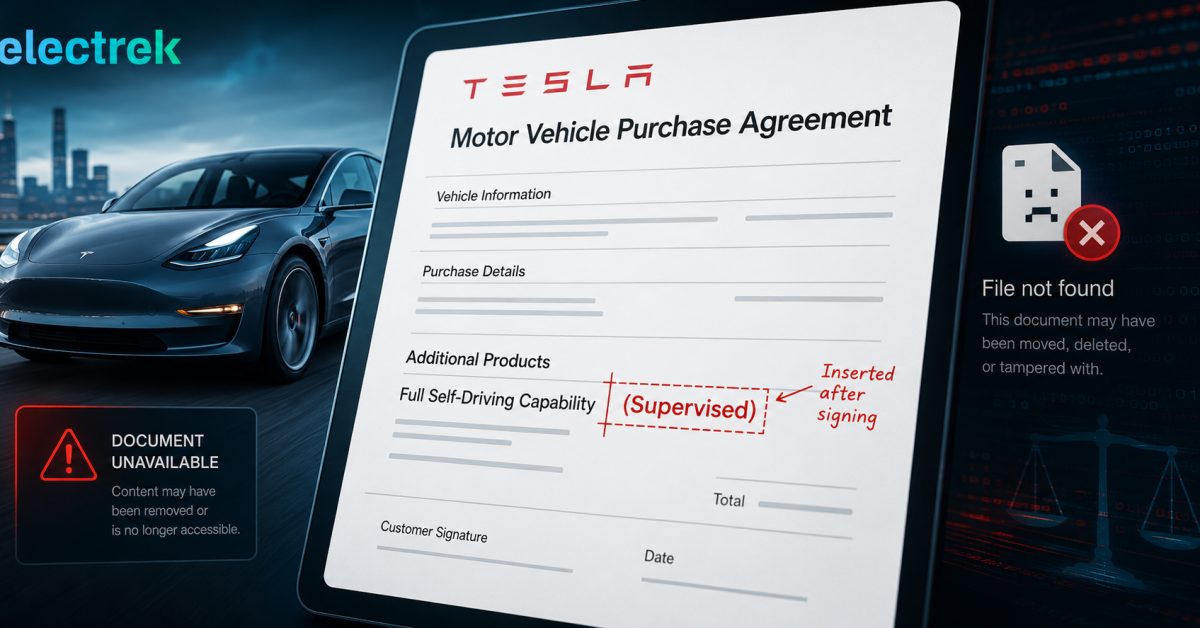
Tesla is under fire due to significant changes made to its “Full Self-Driving” (FSD) purchase agreements, raising eyebrows and concerns among owners and industry watchers. The core issue revolves around retroactive modifications to the contracts that many Tesla owners signed between 2016 and early 2024. Initially marketed as capable of unsupervised driving, these agreements have mysteriously been altered to include language that specifies the system is now “supervised.” This move has left numerous owners questioning the integrity of the process and fearing they will not receive what they paid for.
WHAT’S THE BACKGROUND?
The FSD capability was sold as a cutting-edge software package costing up to $15,000, promising full autonomy through over-the-air updates, which means improvements could be added to already purchased cars without needing to be physically taken to a dealership. Elon Musk, Tesla’s CEO, confidently asserted that unsupervised self-driving would be achievable and frequently claimed it would be ready by the end of each year starting in 2018. However, it all changed dramatically in March 2024, when Tesla released a new version of the FSD software—FSD v12.3.3—relabeling the offering to include the term “supervised.” This rebranding included fine print that explicitly stated the system does not allow for full autonomy, a stark contrast to the original promises made to owners.
THE OWNER’S EXPERIENCE
Oliver Abcarius, a Tesla owner who bought the FSD package for his 2018 Model 3, recently discovered that his purchase agreement had been retroactively updated to include the new supervised language, making the original version of the document inaccessible. He shared his experience with Electrek, stating, “Back in 2019, Tesla did not contain ‘supervised’ language in the purchase agreement, and I can no longer actually open the document as it links to an invalid page.”
This puzzling situation wasn’t confined to just one person; Oliver indicated that the same problem affected his wife’s 2020 Model Y purchase agreement. Both documents that could confirm the original terms of FSD were suddenly missing, while all other vehicle documents remained accessible. This raises legitimate suspicions about why crucial information is becoming harder to access.
A BROADER CONCERN
The alterations don’t appear to be an isolated incident but part of a troubling pattern. Tesla has faced several lawsuits regarding the marketing and functionality of the FSD system, alongside serious allegations of false advertising. An ongoing class-action lawsuit focuses on claims made from October 2016 to August 2024—covering the same timeframe during which Abcarius and many others purchased their FSD packages. California’s Office of Administrative Hearings has already determined that Tesla did engage in false advertising concerning FSD capabilities.
The situation was made worse for Tesla when, in April 2026, Musk confirmed that the hardware within vehicles sold between 2016 and 2023—known as HW3—was incapable of achieving unsupervised FSD. This indicates that any vehicle sold with the original promise of autonomous capabilities will never deliver those features without substantial hardware upgrades that Tesla has not committed to.
THE LEGAL RAMIFICATIONS
Making original purchase agreements inaccessible raises significant legal questions, especially in the wake of ongoing lawsuits. If Tesla is found to have purposefully concealed or altered key documents, it could face dire consequences, including potential sanctions for destroying or altering evidence. Courts tend to look unfavorably on companies that delete or obscure vital information, as it can significantly affect legal proceedings.
Interestingly, Tesla had previously deleted a promising blog post from 2016, where they stated that all their vehicles would be equipped with the necessary hardware for full autonomous driving. This post has resurfaced in archives despite being taken down, suggesting a concerted effort to distance the company from its historical claims.
WHAT OWNERS CAN DO
Tesla owners who purchased the FSD package before 2024 are encouraged to log into their Tesla accounts and check whether their original agreements are still accessible. If the documents are missing, it’s advisable to take note of this, as it could become crucial evidence in potential legal actions against the company. While navigating this issue can be frustrating, being diligent and informed can help protect consumer rights.
FINAL THOUGHTS
With growing concerns about Tesla’s business practices, the implications of these contract changes could resonate far beyond individual owners. If the allegations hold true, it might change how companies market their technology and handle customer relations in the future. While Tesla aims to revolutionize the driving experience with autonomous technology, transparency and trust are vital components in this evolving landscape of the automotive industry.
For anyone fascinated by this saga and looking for updates on the latest in automotive news, following this page on Facebook and visiting our losangelescashforcarsquick website will keep you in the loop.
#Tesla #retroactively #added #supervised #FSD #contracts #owners #signed #years #losangelescashforcarsquick


