How Carvana's Move to Sell More Cars Could Change the U.S. Car Market
CARVANA’S EXPANSION INTO NEW VEHICLE SALES
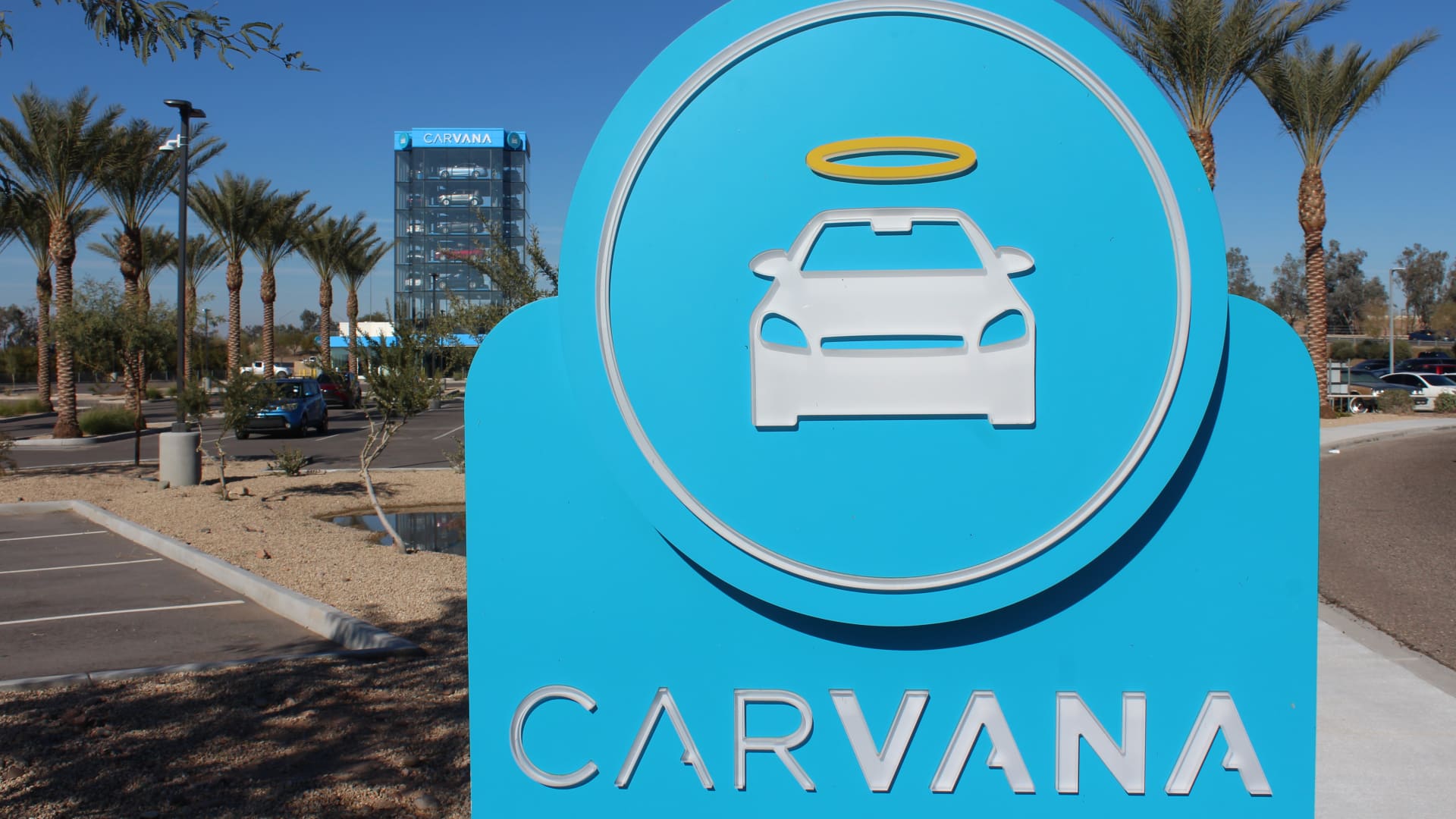
Carvana, a well-known name in the used car selling industry, has recently made a significant move into the new car market. Originally famous for its unique online car buying experience and vending machine car sales, Carvana has quietly bought seven new vehicle franchises since last year, primarily featuring brands from Stellantis, which include Chrysler, Dodge, Jeep, and Ram. This change could potentially reshape the traditional car dealership system in the United States.
DISRUPTIVE FORCES IN AUTO RETAIL
Carvana’s entry into the new vehicle sales market has become a hot topic among industry experts. John Murphy, a seasoned analyst, described this shift as one of the most disruptive changes in auto retailing in decades. Traditionally, the franchised dealership system in the U.S. has been quite resistant to change. With around 16,990 retail dealerships selling over $1.3 trillion worth of cars last year, this is a system that is deeply entrenched in automotive culture.
However, in response to challenges like the pandemic and the rise of publicly traded dealership groups, dealers have recently had to be more adaptable. Carvana’s first new car dealership, located in Casa Grande, Arizona, has seen remarkable growth, selling over 700 new vehicles just last month. This figure is impressive, especially considering it averaged only about 30 to 50 sales each month before Carvana took over. This rapid growth signifies how Carvana is changing the landscape of car sales.
A NEW STRATEGY FOR GROWTH
By moving into the new vehicle realm, Carvana not only opens a new revenue stream, but it also positions itself to acquire used vehicles more efficiently through customer trade-ins. Carvana CEO Ernie Garcia and his team have wisely recognized the business potential in handling the entire lifecycle of a vehicle: from new and used sales to parts, service, and financing options.
Previously, Carvana focused almost entirely on used vehicles. The expansion into new car sales provides them the opportunity to tap into the complete vehicle lifecycle model. This means they’ll not only be selling cars, but potentially parts and services and even financing options, enhancing their overall business strategy.
The introduction of new franchises is expected to create significant revenue opportunities, as automotive consultant Brian Gordon points out. He highlights that Carvana can integrate services that could yield substantial profit without completely transforming its current business model.
REGULATIONS AND CHALLENGES
Despite its rapid success, Carvana faces unique challenges in selling new cars compared to used ones. The rules for selling new vehicles can vary significantly from state to state. Unlike the used vehicle market, where Carvana has thrived by selling online, state regulations often require new car sales to happen through franchised dealers. This is where competitors such as Tesla and Rivian have encountered roadblocks.
Studies indicate that most consumers prefer a combination of online convenience and in-store interactions when buying cars. Franchised dealers also need to comply with numerous regulations imposed by automakers, such as the layout of showrooms and how vehicles should be repaired and serviced.
On the bright side, Stellantis—one of the big automakers—has given Carvana a unique status as a certified website provider. This allows Carvana to bypass some of the typical constraints that affect traditional dealerships, facilitating its online sales strategy.
VARIANCES IN THE DEALERSHIP MODEL
Another critical aspect is how traditional dealerships see Carvana’s move into new vehicle sales. Many believe that competition is beneficial for consumers and that existing dealerships will need to adapt to remain relevant. Sean Hogan, who chairs Stellantis’ National Dealer Council, expressed curiosity about Carvana’s long-term strategy while also highlighting the need for traditional dealers to stay competitive.
While Carvana might not follow the conventional model of brick-and-mortar dealerships, it still faces questions about its plans for service and parts departments, areas where traditional dealers often excel, providing vital touchpoints to customers post-sale.
THE FUTURE OF CARVANA
Carvana’s approach to automotive sales is increasingly reminiscent of giants like Amazon, especially in how they manage logistics and customer service. This infrastructure gives Carvana a possible edge over conventional dealerships, allowing them to address customer needs in innovative ways. This gap could even help them in servicing vehicles through their other resources, like the auction company Adesa that they acquired in 2022.
Carvana has the capacity to recondition about 1.5 million vehicles annually, a significant number compared to their sales of less than 600,000 vehicles last year. This unique position gives them opportunities to enhance their service capabilities far beyond what traditional dealerships offer.
Overall, as Carvana expands into the new car market, the auto retail landscape may change dramatically. The traditional dealership model, which has remained largely the same for decades, may need to evolve rapidly to keep up. The status quo is being challenged, and both consumers and traditional dealerships should prepare for a new reality in how cars are sold.
In this fast-paced and ever-changing automotive industry, keeping up with developments and changes is essential. Following Carvana’s journey could provide valuable insights into the future of car buying. Engaging with our community on Facebook and visiting our website dedicated to cash for cars could help you stay informed about this exciting evolution in vehicle sales.
#Carvanas #expansion #vehicles #reshape #U.S #market #losangelescashforcarsquick


