Why Used Electric Cars Are Getting Popular: A Look at the Costs Compared to Gas Cars
RISING AFFORDABILITY OF ELECTRIC VEHICLES
Recently, electric vehicles (EVs) have been catching the attention of used-car shoppers for their increasingly budget-friendly prices. Data from Cox Automotive reveals that while sales of brand-new EVs have decreased, the market for used electric cars surged by 27.7% in March compared to the same month last year. Even more impressively, sales soared by 53.9% from February, showcasing a powerful momentum. The increase in used EV sales can be largely attributed to more models becoming available as people’s leases expire.
According to Joseph Yoon, a consumer insights analyst at Edmunds, a significant number of leases signed between late 2022 and 2023 are now returning to dealership lots. Most car leases last about three years. Consequently, many used EVs are flooding the market, providing consumers with more choices. The trend forecasted a rise in leased EVs returning to the market, projected to make up 8% of returns by 2026, compared to just 2% in 2025.
AFFORDABLE OPTIONS FOR EVERYONE
In March, around 44% of used EVs sold for less than $25,000, a slight increase from 39% in December. The average price of used EVs fell to $34,653, a decline of 6.1% from the previous year, and only a little over $1,100 more than the average price for a used gasoline car. This narrowing gap implies that consumers seeking affordable vehicle options have more viable choices today.
One crucial aspect affecting sales is the elimination of federal tax credits that previously boosted incentives for both new and used EV purchases. The Inflation Reduction Act of 2022 had offered credits that could reach as high as $7,500 for new models and $4,000 for used options, but this ended with the passing of the One Big Beautiful Bill Act last year, which halts these advantages by September 2025. However, state-level incentives still exist in many places, including tax credits, rebates, and utility discounts aimed at encouraging EV adoption.
CONSIDERATIONS FOR OWNERSHIP COSTS
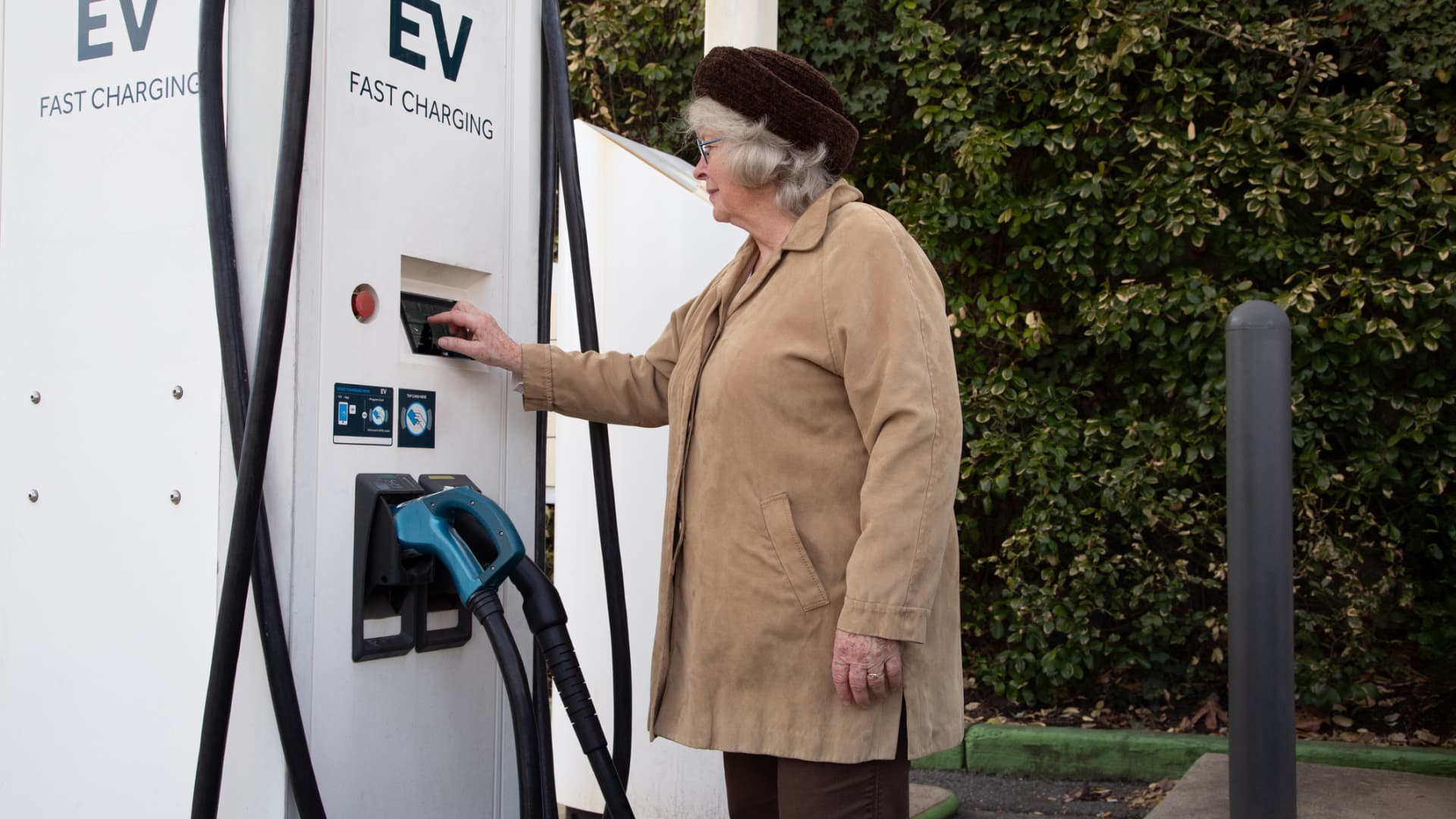
While the upfront cost of purchasing an EV is one thing, understanding the total ownership cost is another. Charging an EV can be less expensive than fueling a gas-powered car, particularly if a home charging station is installed. Though the initial installation of a Level 2 home charger can cost around $500, it could save money in the long run. Research suggests that charging an electric car at home costs an estimated $59.66 monthly for an average of 1,015 miles driven, while using a fast public charger can skyrocket those costs to about $169.
Furthermore, switching from gasoline to electricity alters the cost dynamics of owning a car. A gas-powered vehicle averaging 30 miles per gallon would cost around $147.24 for the same monthly mileage, assuming a fuel price of $4.09 per gallon.
MAINTENANCE AND REPAIR INSIGHTS
Another enticing feature of EVs is that they generally require less maintenance than traditional gasoline vehicles, as there is no need for oil changes. In fact, features like regenerative braking can enhance brake life, lowering some maintenance expenses. However, it’s worth noting that the additional weight of EVs can contribute to more rapid tire wear.
Yet, when repairs are necessary, costs can climb. EV repairs usually have higher average costs compared to gas vehicles, with a projected average repair cost of around $6,395 for fully battery-operated cars versus $5,105 for gas vehicles by 2025.
IMPORTANCE OF BATTERY HEALTH
When considering a used EV, checking the condition of the battery is crucial. Most EV batteries come with warranties of eight to ten years or 100,000 miles, and since many of these used vehicles are coming off leases, they are likely still under warranty. However, replacing a battery can be a pricey affair, costing anywhere from $5,000 to $15,000.
INSURANCE AND SUBSCRIPTIONS
Insurance rates for EVs typically run higher than their gas-powered counterparts. The average annual cost to insure an EV is around $4,058, which is significantly higher than the average of $2,732 for gas cars. While some might be concerned about the costs that come with optional subscription services—offering features like self-driving capabilities—these are not necessary to operate the vehicle as it should.
Despite some challenges and considerations, the shift towards affordable EVs is significant. With many used electric cars becoming available, and their prices steadily decreasing, now could be an ideal time for consumers to consider entering the electric vehicle market. The balance between environmental stewardship and financial savviness is tilting in favor of EVs.
For those looking to keep up-to-date with the latest news in the automotive sector, including trends in electric vehicles, following us on Facebook will provide ongoing insights. Explore our dedicated platform at losangelescashforcarsquick to dive deeper into the ever-evolving world of automobiles and discover opportunities that extend beyond the traditional models. Stay informed and make empowered choices as you navigate your automotive journey.
#sales #surging #ownership #costs #compare #gas #cars #losangelescashforcarsquick


