Do electric cars harm the environment?
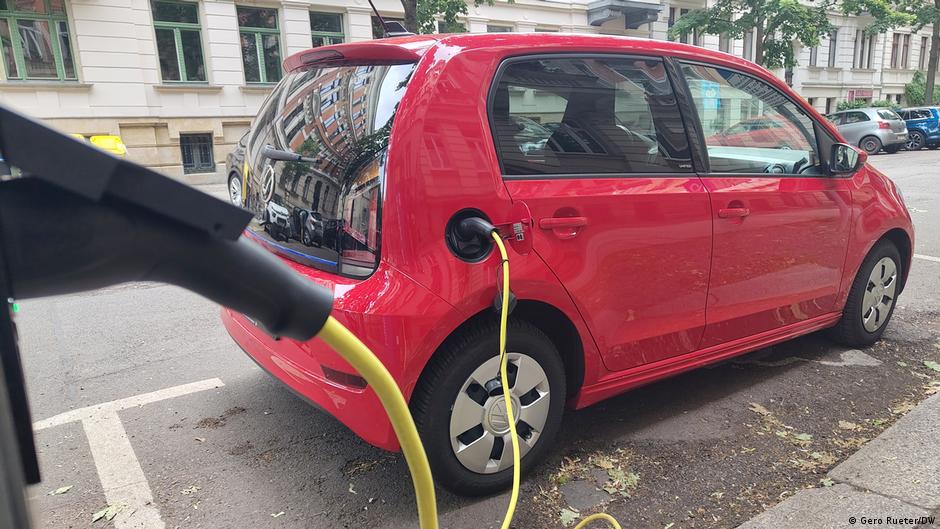
Germany’s Bild tabloid newspaper and the conservative state premier of Bavaria, Markus Söder, are criticizing the European Union’s stance that electric vehicles are carbon neutral. They argue that the EU’s plan to phase out internal combustion engines by 2035 is flawed because it doesn’t consider emissions generated by factors like manufacturing and electricity mix. A report by the Technical University of Munich supports this perspective, suggesting that battery-electric vehicles only reduce emissions by 41% on average compared to combustion engine vehicles. This has sparked a debate among experts about the true environmental impact of electric vehicles.
Life-cycle assessments are highlighted as an essential factor in determining the environmental impact of vehicles. While the EU regulation focuses on CO2 emissions from exhaust gases, other emissions from the entire vehicle life cycle are not taken into account. Companies like BMW, Audi, and Volkswagen support this broader approach. Research from the International Council on Clean Transportation has shown that battery-electric vehicles have emissions that are 73% lower on average than gasoline cars, and up to 78% with renewable electricity. Hybrid vehicles, which combine combustion engines and electric motors, also emit less than traditional cars but still fall short of fully electric vehicles.
One of the main challenges facing electric vehicles is the environmental impact of batteries. The mining of resources like cobalt and lithium for batteries has been linked to habitat destruction and water depletion. However, the emissions from battery production are offset after driving about 17,000 kilometers, and most batteries can eventually be recycled. Advancements in battery technology, such as lithium-iron phosphate batteries, are leading to lower emissions and more efficient production. Renewable energy sources are also playing a crucial role in reducing the overall emissions of electric vehicles, with the rise of solar power installations and a decarbonized electricity grid in Europe.
Despite the debates and challenges, the future of the automotive industry is moving towards electric vehicles. Global sales of EVs have been increasing, especially in regions like China and Southeast Asia. In Europe, the popularity of electric cars is also on the rise due to technology advancements, rising fuel prices, and environmental concerns. Experts believe that accelerating the transition to electric vehicles is essential for reducing carbon emissions and staying competitive in the global market.
As the automotive industry continues to evolve, it is crucial to stay informed about the latest developments in electric vehicles and sustainable transportation. By following our page on Facebook and visiting our losangelescshforcarsquick website, you can stay up to date on the latest news and trends in the world of automotive technology. Join us in supporting a greener and more sustainable future for the automotive industry.
#electric #cars #bad #environment #losangelescashforcarsquick


