New Rules Might Make Charging Electric Cars Cheaper for Drivers
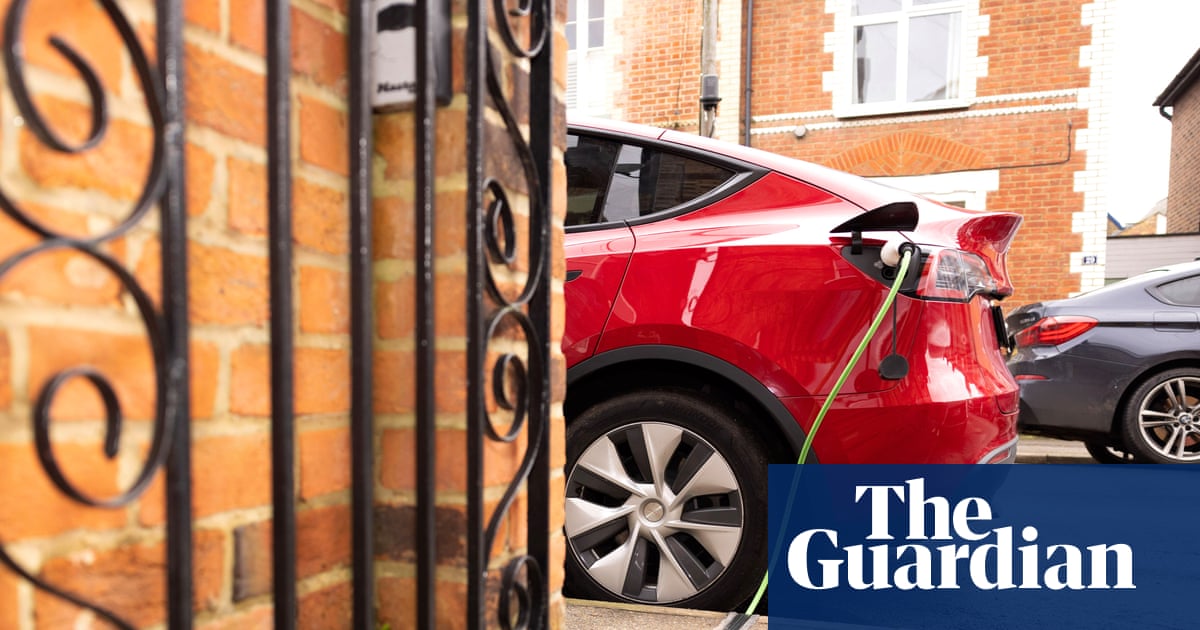
Challenges of Charging Electric Cars Without Off-Street Parking
When Alison Williams purchased her electric Volkswagen ID.3, she thought she was making a sustainable choice for the environment. However, she soon realized the challenges of charging her car without off-street parking. The lack of a pavement gully outside her home made it difficult to charge her vehicle, prompting her to use public chargers at a much higher cost.
New Law Change in England
A recent law change in England allows drivers without off-street parking to install a pavement gully without needing planning permission. This gully allows an EV charging cable to reach a parked vehicle safely, without creating a tripping hazard. By charging in front of their homes, drivers can save up to 90% on charging costs compared to public chargers. Despite this law change, some local authorities, like Ealing, still do not allow the installation of gullies for cost and safety reasons, leaving drivers like Alison frustrated.
Benefits of Simplifying Rules
The simpler rules aim to make it easier for people to switch to electric cars by eliminating the need for planning permission and saving drivers between £300 and £500. Liberal Democrat peer Caroline Pidgeon pushed for this change, highlighting that one in three households in England do not have a driveway and that obtaining approval for gullies previously took up to 15 months in some areas.
Varied Costs and Installation
The cost of installing a pavement gully varies widely across different local authorities. Companies like Kerbo Charge offer services to install gullies, with average fees of around £1,200 without a grant. While some councils offer free or discounted installations, others charge additional fees for maintenance, annual licenses, and more, depending on the location.
Challenges Faced by Local Authorities
Despite the benefits of pavement gullies, more than 20 local authorities, including Kent, Leicester, and Worcestershire, have been hesitant to allow their installation due to safety, maintenance, and liability concerns. This has led to frustration among drivers who are eager to switch to electric vehicles but face restrictions from their local councils.
Cost Savings and Environmental Impact
For drivers without off-street parking, charging an EV at home proves to be much cheaper than using public charge points, with the recent VAT reduction on domestic electricity from 5% to 0%. Greg Francis from Carmarthenshire in Wales shared his experience of having a gully installed outside his house, allowing him to charge his vehicle for just £6. This is significantly cheaper than using public chargers, which can cost up to five times more per unit of electricity.
The Future of Electric Vehicle Charging
As more drivers consider making the switch to electric vehicles for environmental and cost-saving benefits, simplifying rules and making charging infrastructure accessible to all is crucial. By supporting initiatives like installing pavement gullies for on-street parking, local authorities can promote the adoption of electric cars and reduce carbon emissions from traditional fuel vehicles.
Call to Action
For more updates on the latest news and trends in the world of electric vehicles and sustainable transportation, follow our page on Facebook and visit our website losangelescashforcarsquick for more information. Let’s drive towards a greener future together!
#charge #car #rules #cut #costs #drivers #Motoring #losangelescashforcarsquick


