rewrite this title as if it was for a 9th grader Should You Charge Your EV To 100% Every Day Or Only Before Long Trips?
Summarize this content up to 500 words as if it was meant for a 9th grader, write as if this is a car blog but avoid using words like “hey there”, “hello there”. At the end please create a cta about us buying your junk car and ask the reader to get a free quote to junk their car in our company call cash for cars los angeles.
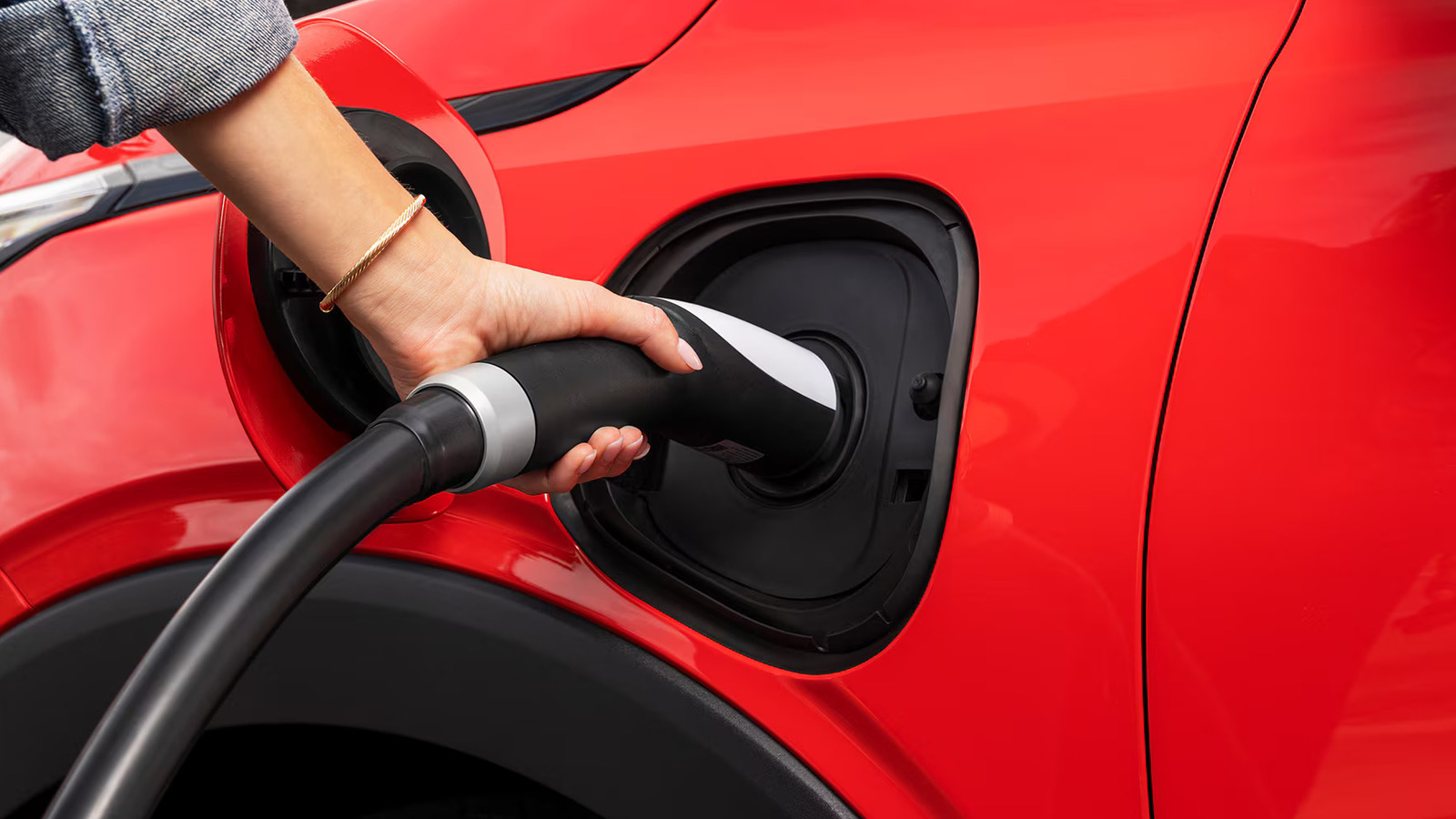
When we have to charge anything, there’s a reassurance we feel when we see the battery is at 100%. We simply want much time with our gadgets as possible before that battery dies. There’s the same feeling with electric vehicles too. If we see that battery percentage dwindling down, we know we have to head home or find a charging station quickly, and the process of recharging can take up more time than we want. To sidestep these issues, a lot of people will just keep their EV plugged in and charging every day to keep it at 100%, but this a charging habit you need to avoid to keep your EV’s battery healthy.
That being said, if you’re going on a road trip, you need to be able to handle long distances on a single charge, and a 100% charge can help with that. Even then, it’s not always necessary. When planning your trip, consider your EV’s range and how far it is to get to a convenient charging station. If that range is less than 80% of your full charge, avoiding that 100% charge would be wise. If that next charging station’s distance is further than that or a closer station makes for unwanted detour on your journey, then go ahead and charge to the full 100%. Having that extra buffer battery time to account for poor driving conditions on a long trip is a good idea.
Why you should avoid charging your EV to 100%
Most of the EVs on the market today utilize lithium-ion batteries for power. There are plenty of benefits to using this kind of battery — they are very energy efficient and able to perform well in high temperatures. The trouble with any battery, including lithium-ion ones, is that their capacity to hold power isn’t fixed. As time marches on, the battery will gradually degrade, and that top-level runtime you were promised when you first got it will no longer be what the battery can handle. Because of this, you want to take care of your batteries to make sure that degradation happens as slowly as possible.
This is why most recommend not charging your EV’s battery to 100%, and instead, you should abide by the 80% rule. Once your charging gets in the range between 80% and 100%, the battery’s voltage is being pushed to its absolute limits, and when that happens, added stress is being placed on the battery. Consequently, the overall health of that battery is going to be compromised. So, if you’re charging your EV every day to 100%, that stress is compounded.
Similar stress can occur at the opposite end of the spectrum as well. While your battery’s charge should rarely go over 80%, you don’t really want it to go below 20% either. Between those two numbers is the sweet spot for regular daily driving. It’s really only special circumstances like road trips where it’s advisable to operate at those margins, as circumstance and charging availability dictate your route.
Charging your EV mid-road trip
Bubbers BB/Shutterstock
While it may be okay to charge your EV to 100% before you start on a long trip, that should maybe be the only time you hit that top limit for the remainder of the trip. The reason for this is actually a bit different than the stress on your battery — though that’s still a factor. Instead, this has more to do with how long it takes to charge your EV.
While on the road, you’ll probably be using a Level 3 DC fast charger to refill your battery before continuing on with your trip. For many EVs, you’re looking at a charge time of roughly a half-hour, give or take several minutes depending on your particular car, to get from 10% to 80%. The problems come when you want to use that same DC charger to get from 80% to 100%. Once you pass 80%, the charging time dramatically slows down. You could end up waiting the same amount of time for that last 20% of battery life as you did for the previous 70%.
If you require this 100% charge for the next leg of your journey, then you just have to sit it out. If not though, stick with charging to just 80% on the fast charger and move on. Not only are you saving time, but you’re keeping your battery healthier as well.
Please call 213-441-3333 or visit https://losangelescashforcarsquick.com/fo.html to get a free quote to junk your car
#Charge #Day #Long #Trips #cashforcarslosangeles


