The Pandemic Supply Shortage Is Now Affecting the Used-Car Market
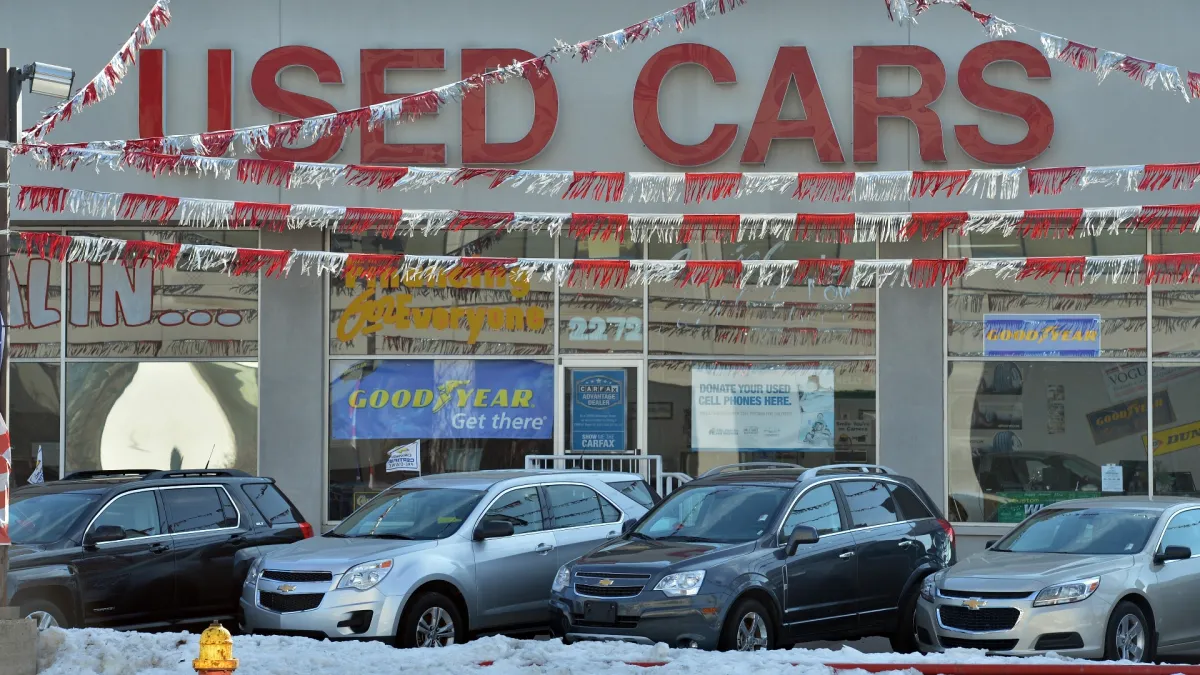
CHIP SHORTAGE’S AFTEREFFECTS ARE PUSHING USED-CAR PRICES UP AGAIN
The shortage of computer chips that disrupted car production during the pandemic is still affecting drivers. The shortage itself has eased, and automakers have built more new vehicles in recent years. But the years when fewer cars were made left a gap in today’s used-car supply. Now, shoppers are finding fewer gently used vehicles—and paying more for the ones they do find.
This is a delayed effect of the pandemic-era production slowdown. Many used cars sold today were built about three years ago, when factories struggled to get enough semiconductor chips. These small electronic parts are important in modern vehicles, helping control systems such as engine functions, safety features, and displays. When automakers couldn’t get enough chips, they had to cut production. That meant fewer new cars entered the market, and fewer of those vehicles are now becoming used cars.
USED-CAR PRICES PASS $30,000
Data from Edmunds, cited by the Detroit Free Press, shows that the average price paid for used vehicles from model year 2022 onward reached $30,522 in the first quarter of 2025. That was 2.3% higher than in the same period a year earlier. It was also the first time in the post-pandemic period that the average price for these newer used vehicles topped $30,000.
The price gap between a three-year-old used vehicle and a new one has also narrowed to about $17,000. For shoppers, that difference may make the choice between new and used more complicated. A used car may cost less upfront, but the savings could be smaller than expected, especially if the vehicle is in high demand.
Used vehicles are also taking longer to sell. In the first quarter of 2025, they spent an average of 38 days on dealer lots—four days longer than a year earlier. That suggests some buyers are hesitating over prices. Still, longer sales times don’t necessarily mean prices will drop soon. If the supply remains tight, shoppers may continue to face limited choices.
FEWER LEASE RETURNS MEAN FEWER OPTIONS
Leased vehicles often help supply the used-car market. When a lease ends, the vehicle may be returned to a dealership and sold as a used car. But fewer vehicles were leased during the years when new-car production was disrupted. As a result, fewer lease returns are now available to used-car shoppers.
Trade-ins are also getting older. The average age of a trade-in has risen slightly to 7.6 years. Older vehicles can still be good choices, but shoppers should pay close attention to maintenance records, mileage, and condition. A lower price may not be a bargain if the car needs costly repairs.
Edmunds Director of Insights Ivan Drury told the Detroit Free Press that the industry is repeating a familiar cycle: reduced vehicle production leads to fewer cars available, while low leasing activity further limits the supply of used vehicles.
TARIFFS COULD ADD MORE PRESSURE
The supply picture could face another challenge if tariffs raise the cost of importing vehicles or parts. The Edmunds report warns that reduced availability of new cars could push some shoppers toward used vehicles. That extra demand may raise prices, particularly for newer used models.
This possibility does not mean prices are guaranteed to rise. But it does make waiting a gamble. If new-car choices become more limited or expensive, some buyers may turn to the used market, adding pressure to an already tight supply.
Buying an American-made vehicle may not automatically solve the affordability problem, either. Cars.com’s 2024 American-Made Index included five SUVs, two trucks, two sedans, and a minivan among its top ten vehicles. Because SUVs and trucks tend to cost more than smaller cars, the average price of vehicles on the index was about $53,000, compared with roughly $49,000 for the overall new-car market.
WHAT SHOPPERS AND SELLERS SHOULD KNOW
People selling or trading in a vehicle may benefit from today’s market. A lessee returning a vehicle or an owner trading in a car could receive a stronger offer when dealers need inventory. Getting more than one estimate can help sellers compare options and understand what their vehicle is worth.
For buyers, careful planning matters. Compare the total cost of a used vehicle with the cost of a new one, including financing, insurance, fuel, and expected repairs. Check the vehicle’s history and arrange an inspection when possible. If a particular model is priced too high, looking at a different model or expanding the search area may uncover better choices.
Drury’s advice on the best time to buy, as reported by the Detroit Free Press, was: “I’d say that was yesterday.” The comment reflects how challenging the current market can be, but shoppers should still avoid rushing into a purchase they can’t afford. The right decision depends on the buyer’s budget, transportation needs, and the condition and price of the vehicle.
For more car-market updates and practical vehicle information, follow our page on Facebook and visit the losangelescashforcarsquick website.
#Pandemic #Supply #Crisis #Caught #Car #Market #losangelescashforcarsquick


